
Ultimate Foundation Repair Products For Structural Reinforcement
Get insights into top products crafted to address foundation issues and ensure your home’s safety and durability.
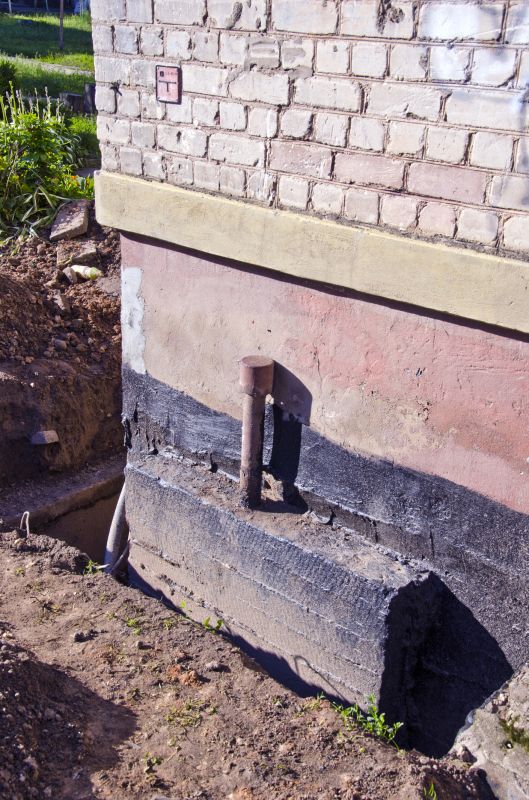 Foundation repairs are a critical aspect of maintaining the structural integrity of a building, especially in areas like Reading, PA where soil conditions and weather patterns can influence foundation stability. A variety of products are available to address different types of foundation issues, including cracks, settling, and shifting. These products are designed to reinforce, stabilize, and sometimes lift the foundation, helping to prevent further damage and preserve the safety of the structure.
Top Overall Option
Polyurethane Foam Foundation Leveling System
Polyurethane foam foundation leveling systems are versatile and minimally invasive options that can lift and stabilize settled foundations. They expand upon application, filling voids and providing support where soil has shifted or compacted. These systems are favored for their quick installation, ability to access hard-to-reach areas, and their capacity to restore levelness without extensive excavation. Suitable for minor to moderate repairs, they can be a practical choice for homeowners seeking a reliable solution that minimizes disruption.
Types of Products For Foundation Repairs
Carbon Fiber Reinforcement Straps
Used to reinforce and stabilize cracked concrete or masonry walls, providing additional strength and preventing further movement.
Concrete Piers and Supports
Support systems that lift and stabilize sinking or settling foundations by transferring weight to stable soil or bedrock.
Helical Piles
Deep foundation supports that are screwed into the ground to provide stability for lifting and underpinning applications.
Mudjacking and Slab Jacking Materials
Materials like grout or foam injected beneath concrete slabs to lift and level uneven surfaces caused by soil settlement.
Epoxy Injection Kits
Products designed to fill and seal cracks in concrete walls and floors, restoring structural integrity.
Underpinning Systems
A range of products used to extend the foundation depth, providing additional support for compromised structures.
Soil Stabilization Products
Chemical or physical agents applied to soil to improve its load-bearing capacity and reduce shifting.
Concrete Sealants and Crack Fillers
Sealants used to prevent water infiltration and further deterioration of foundation cracks.
Fiber Reinforced Polymer (FRP) Sheets
Materials applied to walls to reinforce and prevent cracking or bowing.
Hydraulic Push Piers
Support systems that lift and stabilize foundations by applying hydraulic force to push piers into the ground.
Polyurethane Foam Lifting Systems
Expandable foam injected beneath slabs or footings to lift and level uneven surfaces with minimal excavation.
Steel Push Piers
Heavy-duty supports driven into stable soil to provide long-term foundation stabilization.
Grout and Mortar Mixes
Materials used to fill voids and reinforce weak areas within the foundation structure.
Drainage and Waterproofing Products
Solutions to manage water flow around foundations, reducing soil erosion and moisture-related issues.
Soil Anchors
Anchoring systems that secure unstable soil or retaining walls to prevent movement.
Vapor Barriers
Membranes installed to prevent moisture infiltration that can weaken foundation materials.
Popular Choices
A widely used method for quick, minimally invasive foundation leveling and stabilization.
Commonly selected for sealing small to moderate cracks to prevent water intrusion.
Popular for reinforcing cracked basement walls and preventing further damage.
Frequently used to stabilize and lift sinking foundations through deep support systems.
A common choice for leveling uneven concrete slabs with minimal disturbance.
Preferred for their strength and ability to support heavy structures during repair.
Popular for managing water around foundations and reducing soil erosion risks.
Often used for sealing cracks and restoring concrete integrity in a range of repairs.
Chosen for their durability and capacity to support significant structural loads.
Commonly installed to protect foundations from moisture infiltration.
Frequently used to improve soil conditions before foundation repair work.
Popular for reducing moisture issues that can impact foundation stability.
Understanding the range of options is essential for making informed decisions. From simple crack fillers to complex underpinning systems, each product type serves a specific purpose and is suited for different levels of repair. Proper selection and application are key to effective foundation restoration, often requiring professional assessment but also allowing for DIY solutions in minor cases.
The longevity and performance of foundation repair products depend on proper installation and the suitability of the product for the specific problem. Factors such as soil type, moisture levels, and the extent of damage should be considered when choosing the right repair method. Consulting with a foundation specialist can provide valuable insights, but having knowledge of available products can also empower property owners to understand the options and maintenance requirements.
In Reading, PA, where the ground can be prone to shifting and settling, selecting high-quality repair products is vital. Whether addressing minor cracks or major structural issues, the right products can help stabilize your property and reduce future risks. Always prioritize safety, compatibility with existing structures, and durability when considering foundation repair solutions.
Key Buying Considerations
- Assess the extent and type of foundation damage to determine appropriate repair products.
- Consider the soil conditions and moisture levels around your property, as these influence product effectiveness.
- Evaluate whether the repair requires lifting, stabilization, or crack sealing to choose the right solution.
- Check compatibility of the product with existing foundation materials such as concrete, masonry, or wood.
- Prioritize products with proven durability and appropriate load-bearing capabilities for your specific needs.
- Determine if professional installation is recommended or if DIY options are suitable for minor repairs.
- Review product specifications for coverage area, application method, and curing time.
- Consider the long-term maintenance requirements and whether the product allows for future adjustments.
- Ensure the product complies with local building codes and safety standards.
- Evaluate customer reviews and expert recommendations to gauge product reliability and performance.
- Factor in the environmental conditions of Reading, PA, such as freeze-thaw cycles that may affect repair longevity.
- Budget for both the product and potential professional labor costs, if applicable.
- Look for products that offer clear instructions and technical support from manufacturers.
- Verify if the product is suitable for minor cracks or more extensive foundation issues.